IF YOU CAN DO IT, SO CAN I – MARDINI SISTERS
 There are things common to all peoples, things that unite beyond borders, beyond flags, beyond fear, and sport is certainly one of them. Any child can dream of being a champion, of playing for the national team, of earning the coveted trophy with sweat and toil, regardless of where they are or what sport they enjoy: we all have our dreams, because dreaming is everyone's right.
Unfortunately, however, opportunities are not equal for everyone in the world.
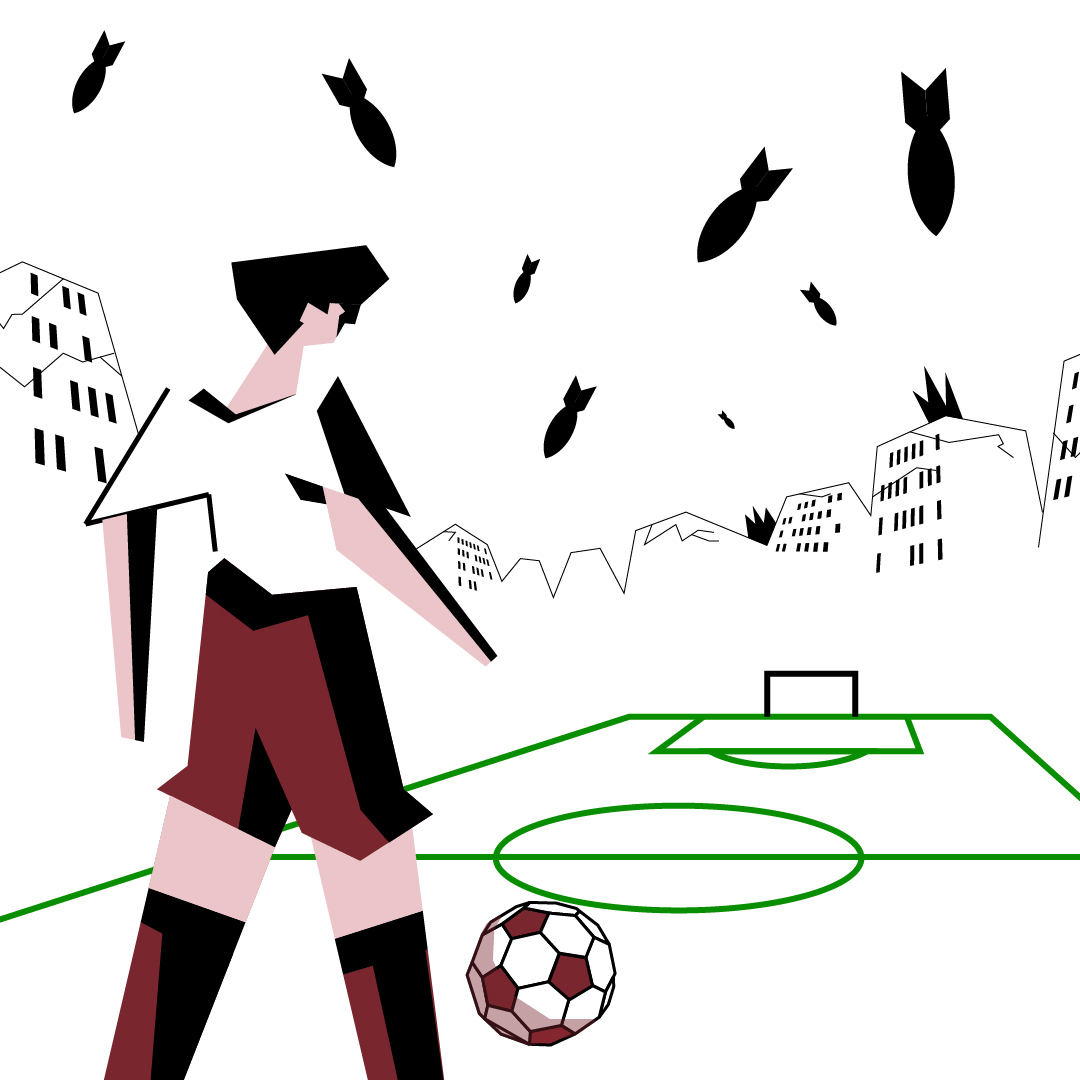
In Damascus, Syria, two young swimmers dream of the Olympics. Their names are Sarah and Yusra Madrini, born in 1995 and 1998, and despite civil war and bombs, they constantly train in the pool with the bombed-out roof, leaving home each time knowing it could be their last. In 2015, Sarah's mother handed her a backpack and told her to fill it with what she wanted to take with her, because she and her sister would be leaving the country.
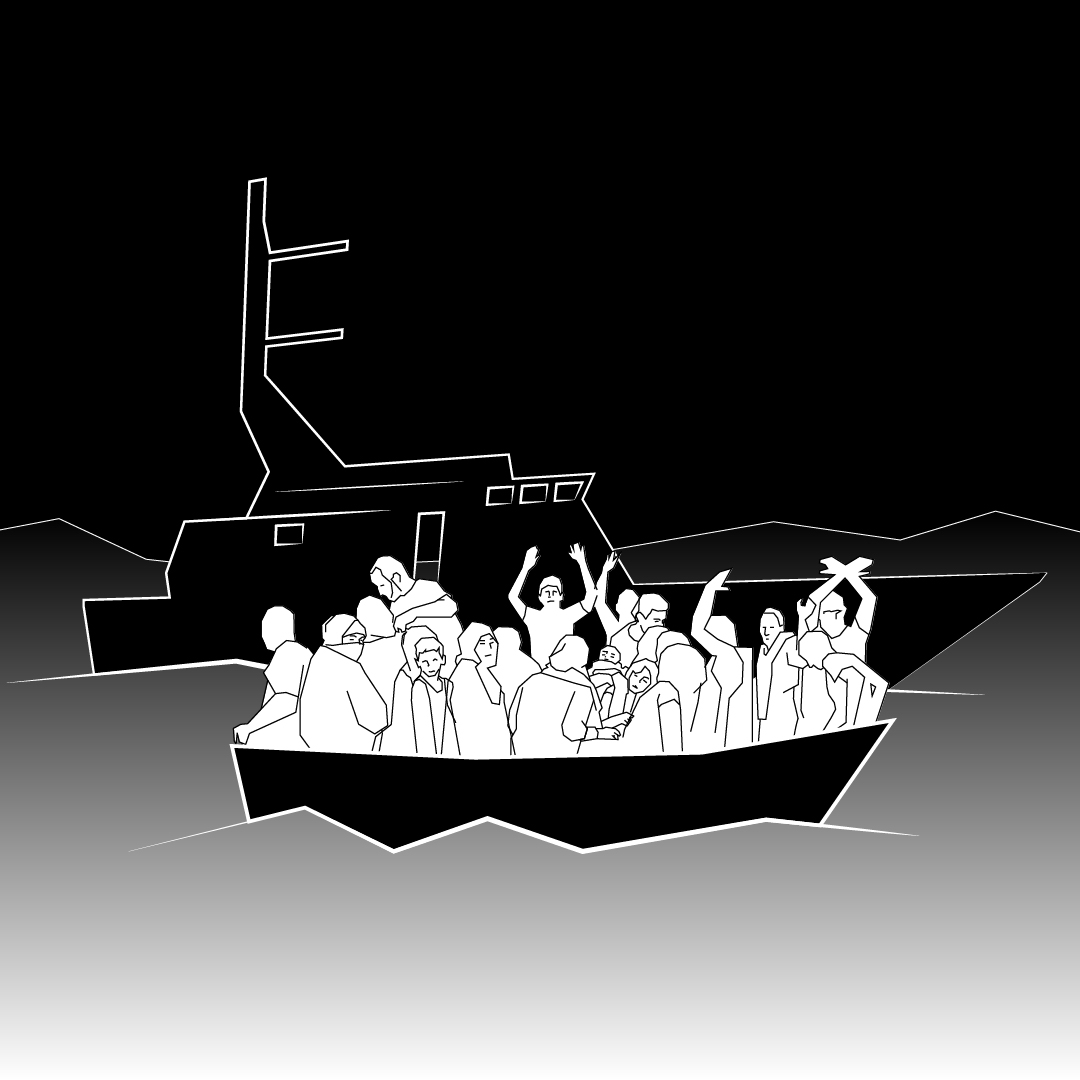
Accompanied by their father's cousin, they took a plane from Damascus to Istanbul and from there called a trafficker/smuggler, saying they wanted to go to Greece. They arrived in Izmir, on the Aegean coast. That August day, twenty people stood on the shore, desperately staring at the vessel that was supposed to take them to Europe: a seven-person dinghy. Once at sea, less than 15 minutes passed before the vessel began taking on water; evening was falling, the sun was preparing to dip below the waves, and the men on the dinghy dived in to lighten the vessel and support it. The two sisters were professional swimmers, and Sarah thought, "I'm a lifeguard; I can't leave my sister and these people to die in the sea!" and she dived into the water. Yusra, also a professional swimmer at the age of 17, and despite her sister's furious protests, jumps into the water and together they begin to tow the dinghy: "If you can do it, I can do it too" says Yusra.
In life, we sometimes make choices whose cost and consequences cannot be assessed in advance, just as we sometimes make choices that must be made regardless of the price to pay.
After swimming for three and a half hours through the high waves of sunset and evening, they arrive on the beach of Lesbos, with no one injured or dead. The price Sarah paid for this heroic act, however, was her dream: she permanently injured her shoulder, and her career as a professional swimmer was simply over forever. The dream that drove her to flee her homeland is now shattered.
The Mardini sisters finally reach their destination: Berlin. During the eight months they spend in the camp, Yusra begins swimming again, stroke after stroke chasing the dream that now rests solely on her shoulders. Thanks to the support of the people who welcomed her in Germany, she is selected to be part of a brand-new Olympic team, the Refugee Olympic Athletes, a wonderful initiative organized by the International Olympic Committee to raise awareness of the global refugee crisis. Meanwhile, the rest of the family is reunited in Berlin and granted refugee status.
Yusra's dream came true in August 2016 during the XXXI Olympiad in Rio de Janeiro.
Yusra Mardini
Sarah Mardini
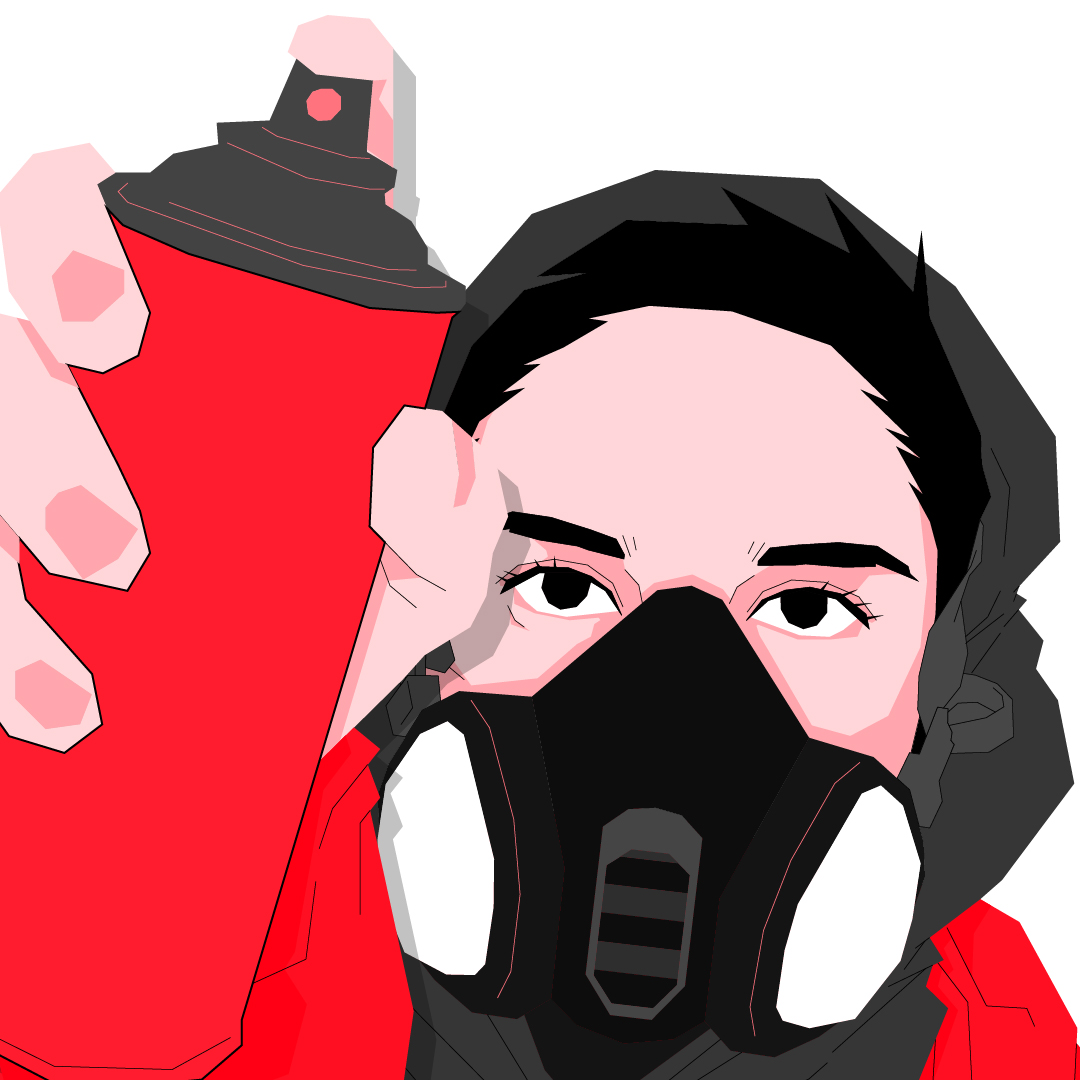
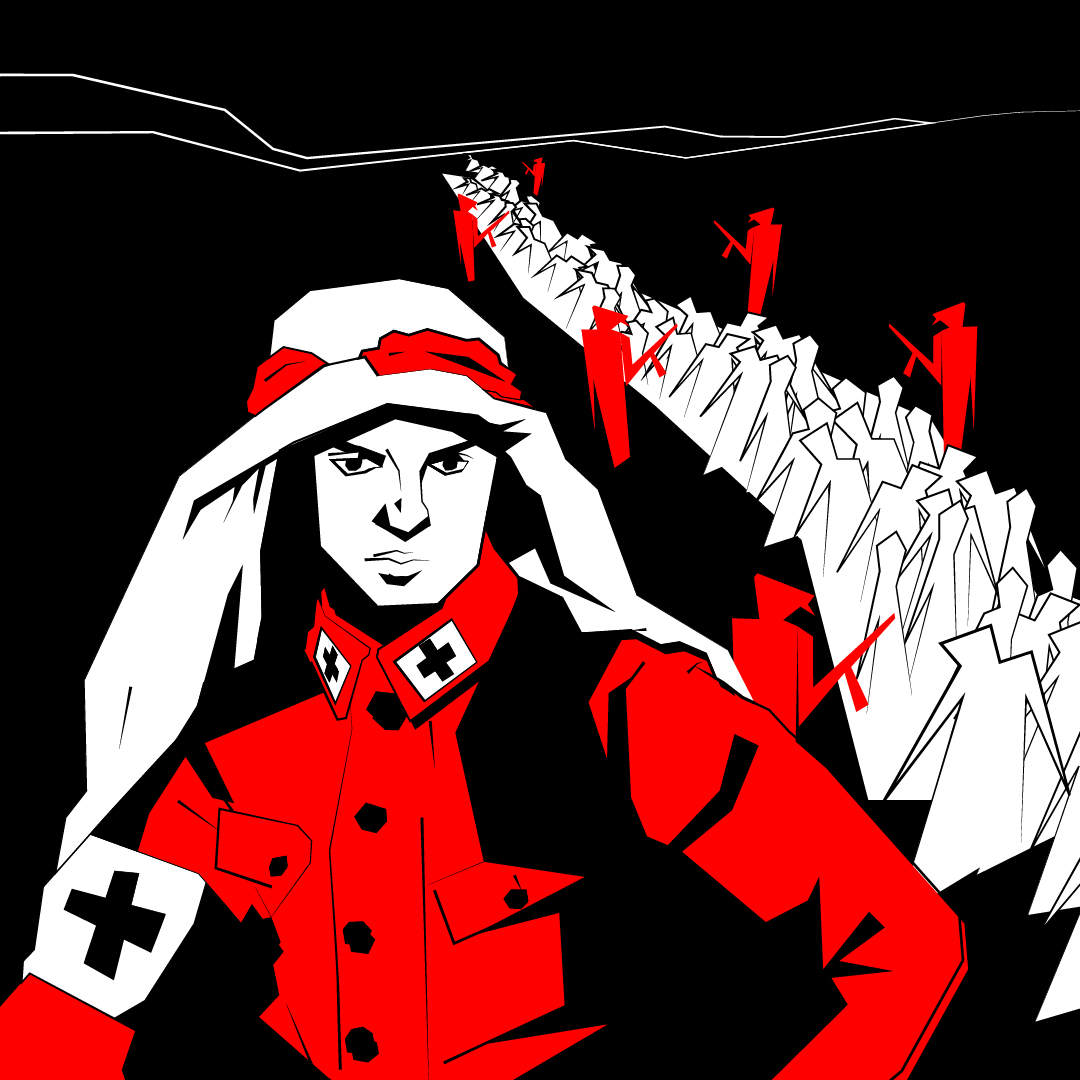
For Sarah, however, things turned out differently: she became the first refugee woman to return to the Lesbos refugee camp, where she had been welcomed for the first time. There, she discovered that the camp therapist was sharing her and Yusra's heroic deeds to rekindle hope in the children's hearts. She then decided to join the Emergency Response volunteer team manning the Lesbos beach to welcome and rescue refugees arriving by sea. A commitment that lasted more than two years, during which Sarah acted as a translator, delivered water and blankets, and launched a fundraiser that raised €20,000 to purchase washing machines for the Mytilene camp. She and her team helped hundreds of people, and Sarah found in this work her new purpose, her new dream.
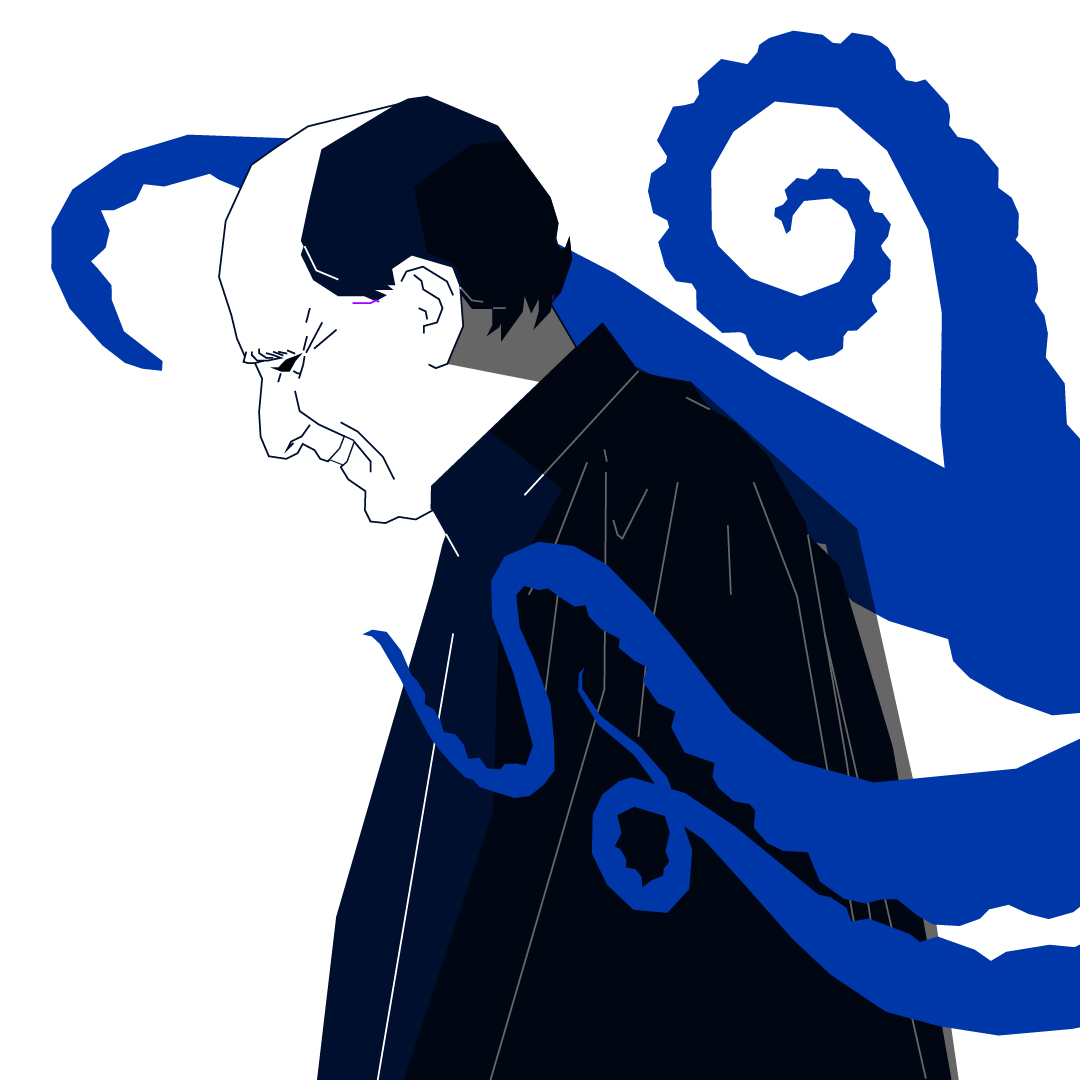
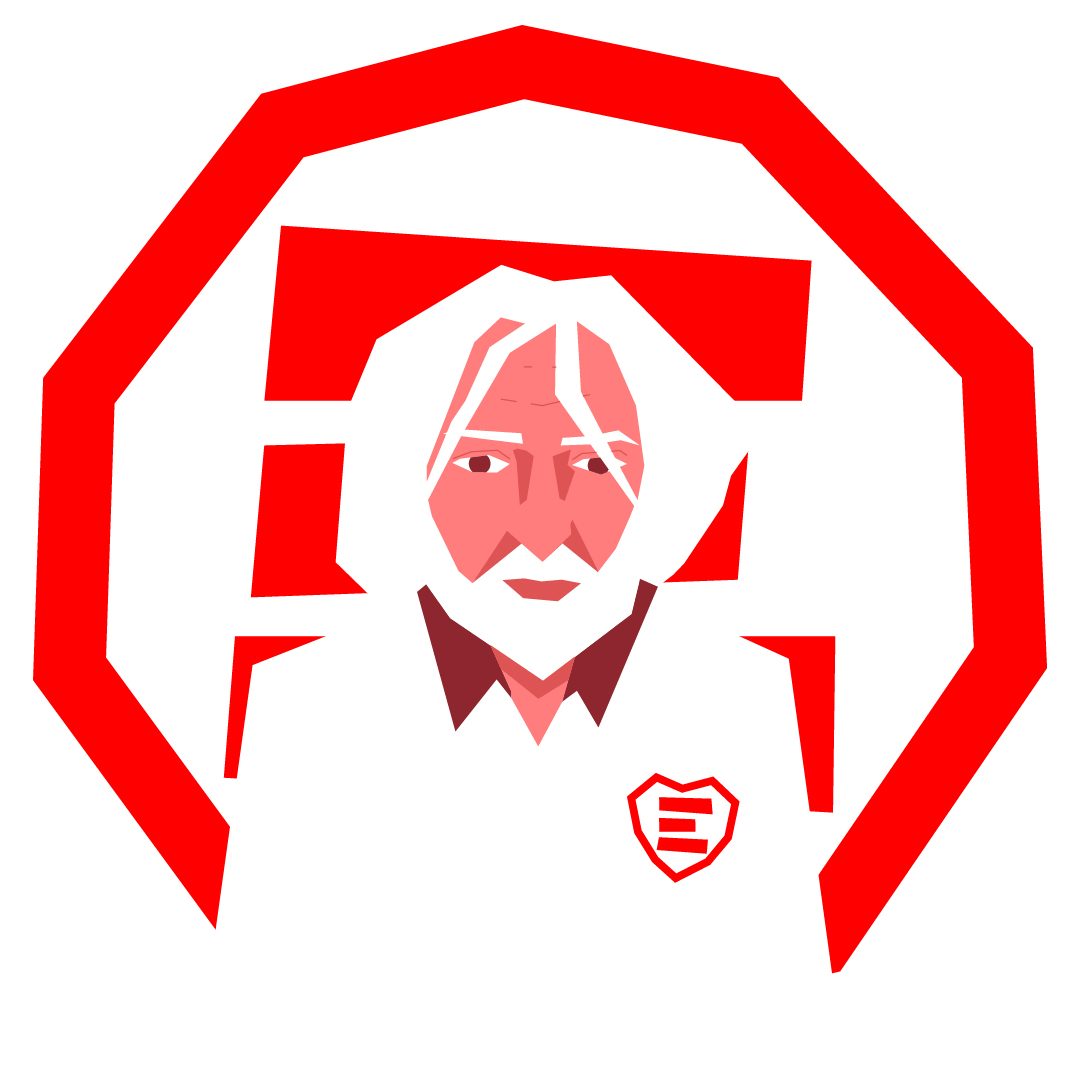
The Greek authorities, however, view the humanitarian work of these people as an incentive for illegal immigration and so accuse Sarah and the other volunteers of espionage, membership in a criminal organization, human trafficking, and fraud. Sarah is arrested and spends first seven days in Korydallos prison on Lesbos, in a 3x3 cell without a bathroom, and then 100 days in an Athens prison. Human Rights Watch and Amnesty accuse the Greek government of criminalizing humanitarian aid. Sarah's story goes viral, and petitions for her release and that of the other convicted aid workers are launched, creating a powerful and resounding chorus that swells and shakes the entire world online. Sarah is released on bail pending trial, which, like the sword of Damocles, holds a 25-year prison sentence hanging over her head. He returned to Berlin and enrolled in the Faculty of Social Studies, where he found support from the university and from the students, ready to stand by him shouting “Humanity is not a crime”.
Humanity is not a crime
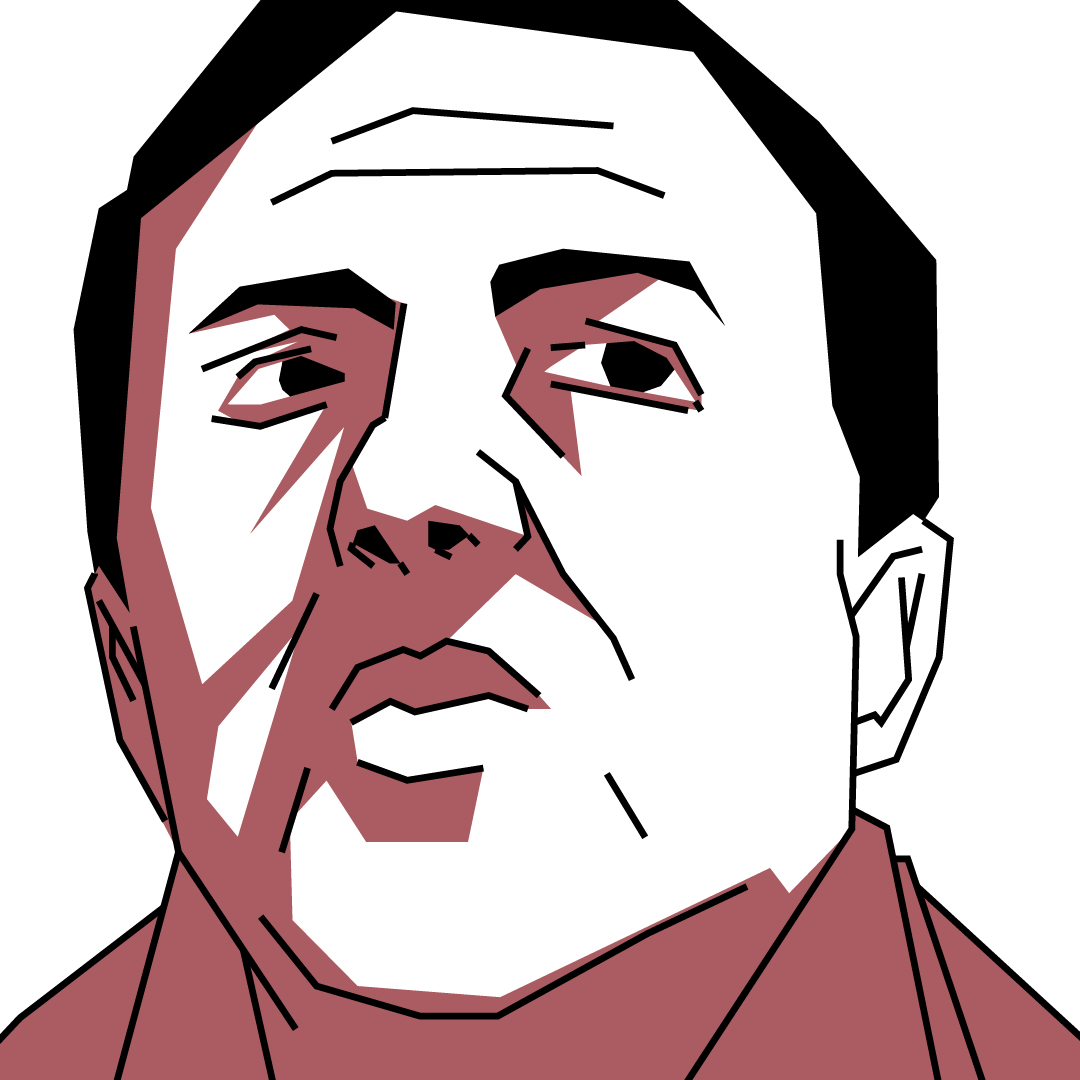
This young woman, now 26, survived war, bombings, and fleeing her country. But after her prison experience, she lost control and was diagnosed with Post Traumatic Stress Disorder (PTSD) and depression. It's depressing that, following these convictions, there's no one on the beach of Lesbos willing to help fleeing refugees. The Greek government has prevailed, and deaths at sea in the area have increased dramatically. Despite everything, Sarah continues to speak out and fight against the inaction that grips people in Europe and around the world, calling for the shared civil responsibility of every human being to act and fight against these injustices, against the criminalization of humanitarian workers, and against the indifference and ignorance toward this refugee crisis that has forever marked this era. Sarah is convinced that she will be declared innocent, and then she will return to that beach to help people.
The story of these two sisters should be a testament to the fact that no matter where you come from or what you're running from, whatever dream burns in our hearts, we must remain faithful to it and always pursue it, because a girl fleeing war can become an Olympic athlete, a girl fleeing war can save hundreds of people, two sisters can become heroines and inspire the entire world.
The key is to #stayhuman and fight, in our own small way, for everyone's human rights.
In the words of Sarah Mardini:
There are 150 cases like mine around the world, people criminalized for trying to help. You could be next, and that's why we should all fight. If we can take to the streets in our millions for climate change, we can also do the same for refugee rights, because it's unfair to fight for one cause and neglect others. And if you don't want to leave your comfort zone, if you don't want to take to the streets, you can help from your computer.
Sarah Mardini 2
“There are no excuses, there is no more time to hope: it is time to act”