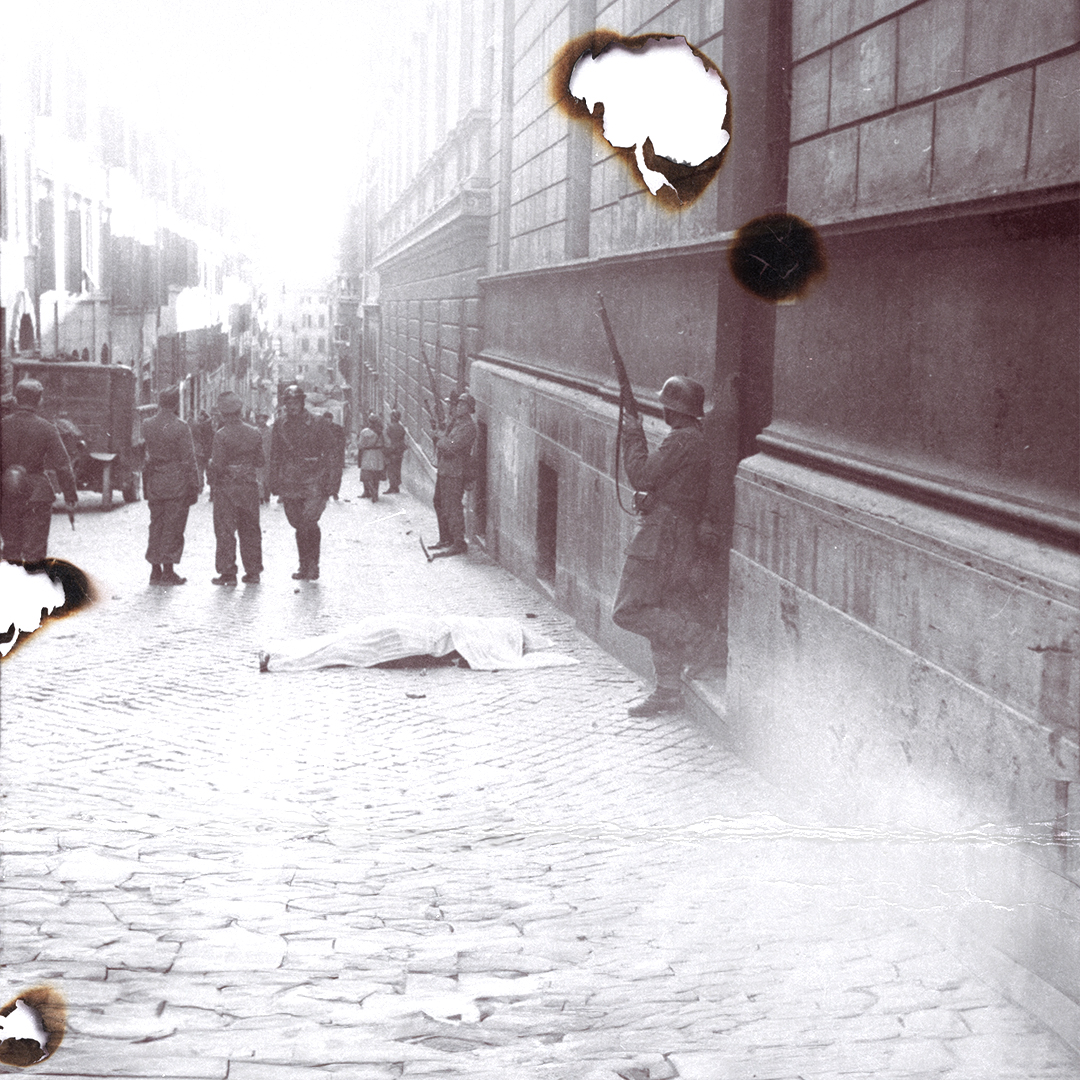
The siege of Sarajevo lasted 1,425 days. During this time, 13,952 people were killed, 70,000 injured, and 35,000 buildings demolished. And as horrific as these numbers are, perhaps even incomprehensible today, they fail to convey the full extent of the siege.
Those numbers cannot describe what those days and nights were like, imperceptibly linked together, they do not make us hear the fatal explosion of a grenade, the horrifying sound of a sniper shot, the howls and cries, we are not paralyzed by fear, with the
ringing ears and dust in our eyes. We neither smell death nor feel its touch in our struggle to survive each and every day of those 1,425.” –
Selvedin Avdic, “Siege of Sarajevo”
Inspired by true events.
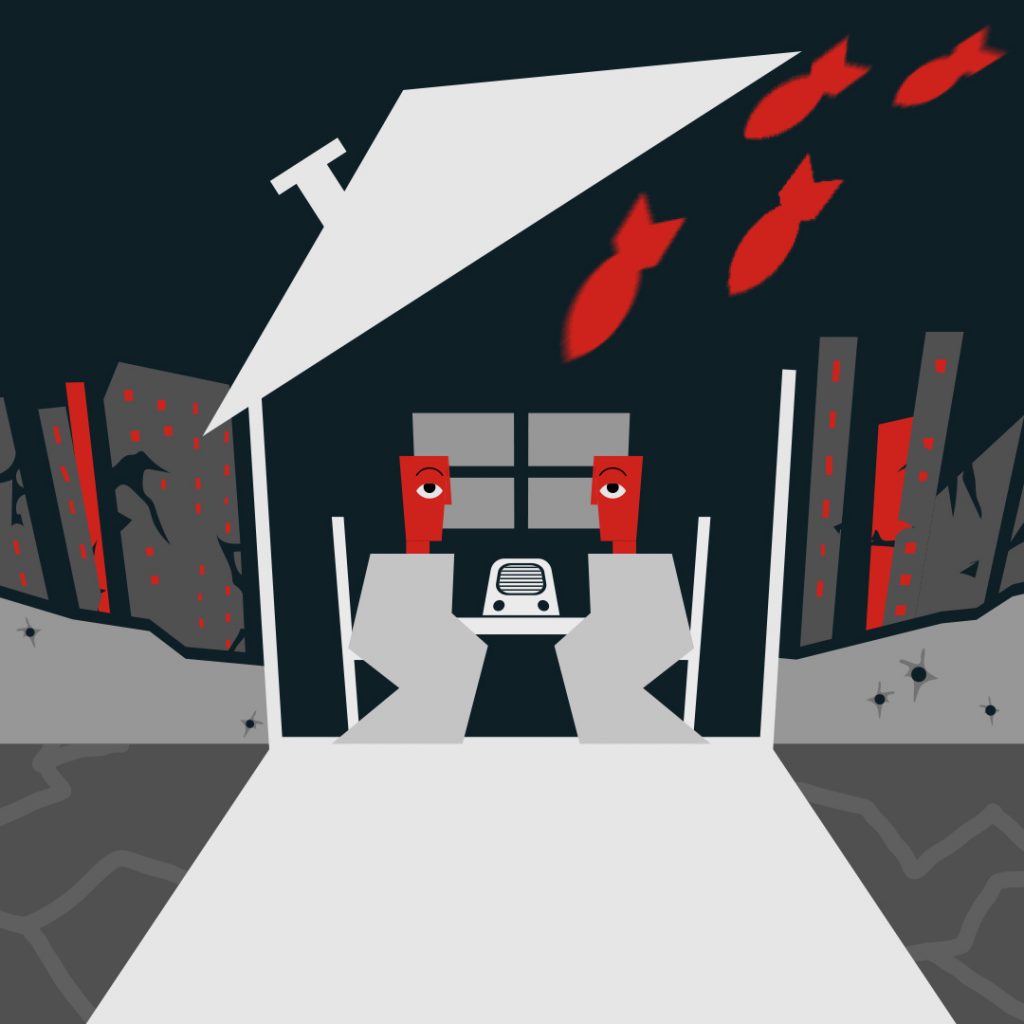
Two young actors from a fledgling theater company have been chosen to perform a classic play, Samuel Beckett's Waiting for Godot. So far, nothing special. But the person who chose them isn't just any director: it's American director, writer, and activist Susan Sontag.
The time is not just any time, it's the early 1990s. The stage on which they will perform is not just any stage, it's the Kamerni Teatar, located in the city that was the scene of one of the bloodiest wars of the 20th century: Sarajevo. And so the wait for Godot becomes the wait for help from the international community to stop a war that few understand, but which everyone endures.
When circumstances escalate, after the performance, the two actors must confront themselves and their values, struggling to cling to a humanity that war constantly tries to strip from them. How can one Remain Human when the context is bestial and monstrous? How can one hope when it feels like the world has abandoned you? What value do normality and old habits have when you live under siege?
Questions that are, unfortunately, always too current.