A HOOK IN THE MIDDLE OF THE SKY – DON MUSSIE ZERAI YOSIEF
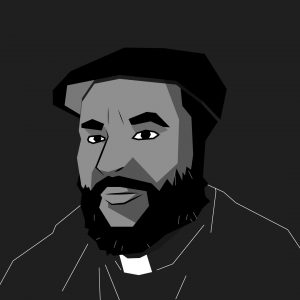 On the walls of the Berk concentration camp in Libya, a telephone number is written, available to all the thousands of prisoners, migrants, and hostages in that camp, one of many in Libya. The same number is known to the families of prisoners who remained at home in Eritrea, Ethiopia, Sudan, Somalia, and to those who manage to escape and reach the sea. For all of them, that number is a point of reference, a hope, a help, a salvation. That cell phone number has saved 150,000 lives from 2005 to 2020 (10,000 people/year). It is the number of Don Mosè Zerai, or, as he is more commonly called, Don Mussie. But why his number? How did it end up written on the walls of a Libyan prison if he has lived in Italy for 29 years? What makes this person so special? Why should he represent an example of humanity for all of us? To find the answer to these questions, let me first introduce him to you.
Many citizens fail to realize that defending democracy or peace is not achieved within one's own national borders, but by defending the human and civil rights of even those populations that seem geographically distant.
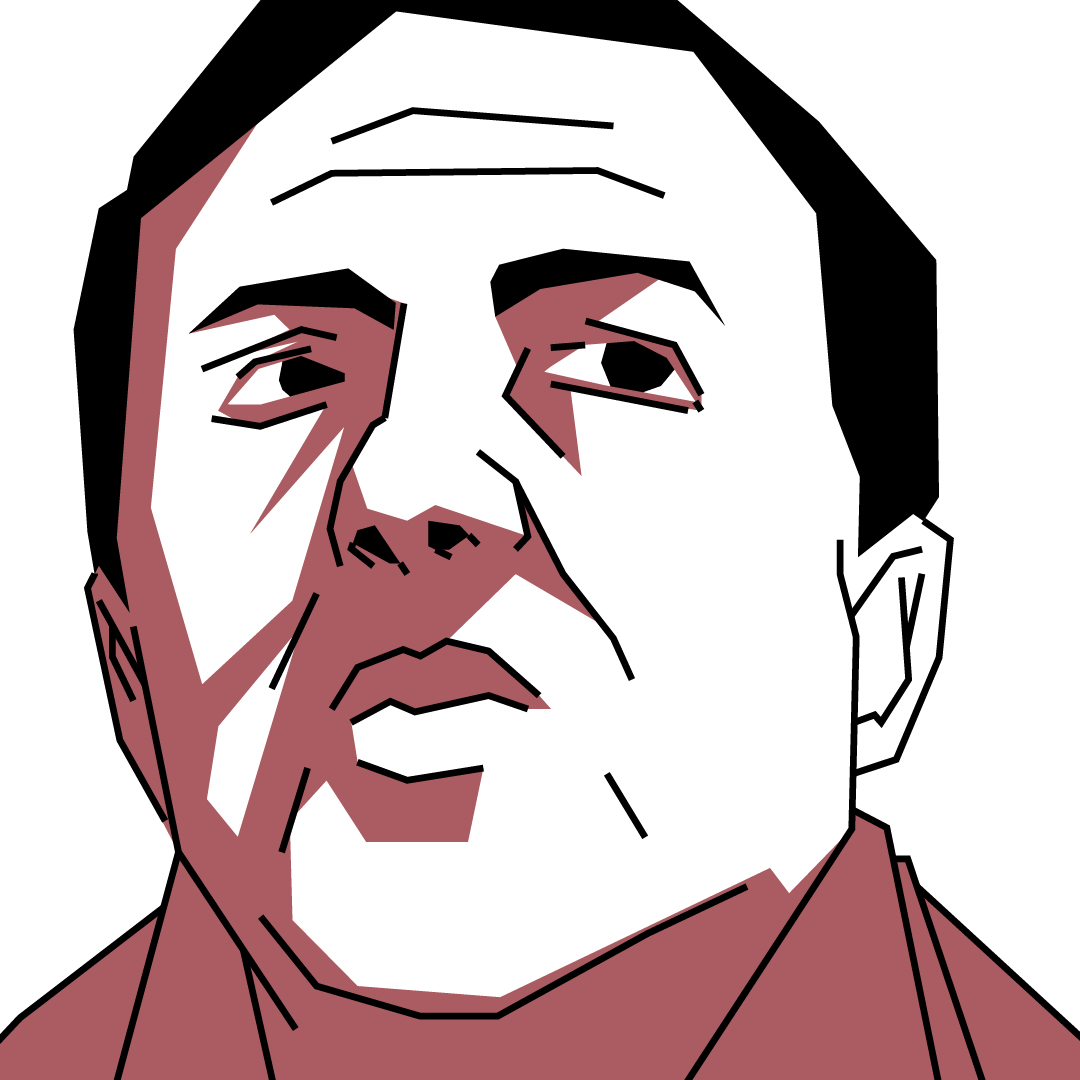
Mussie Zerai Yosef
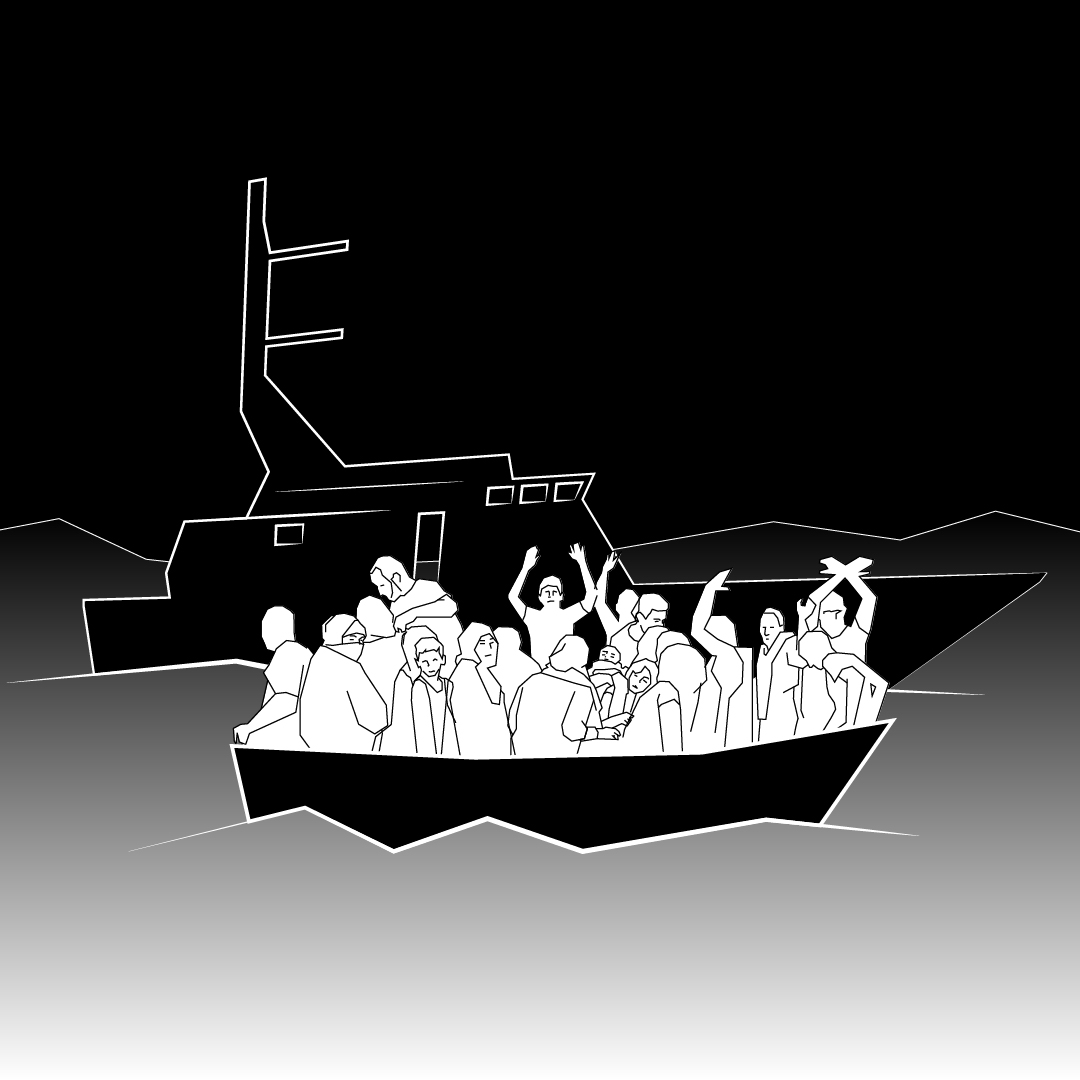
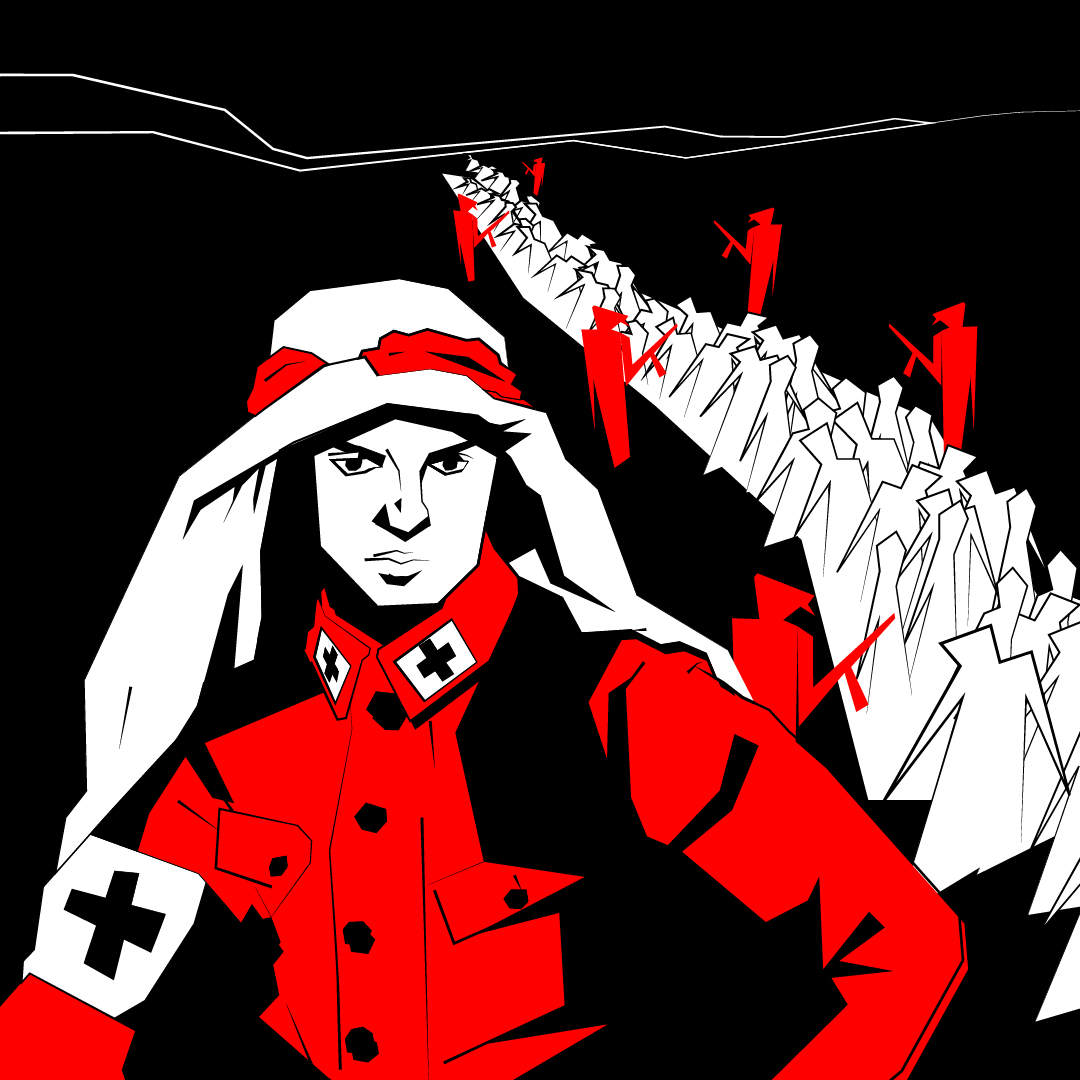
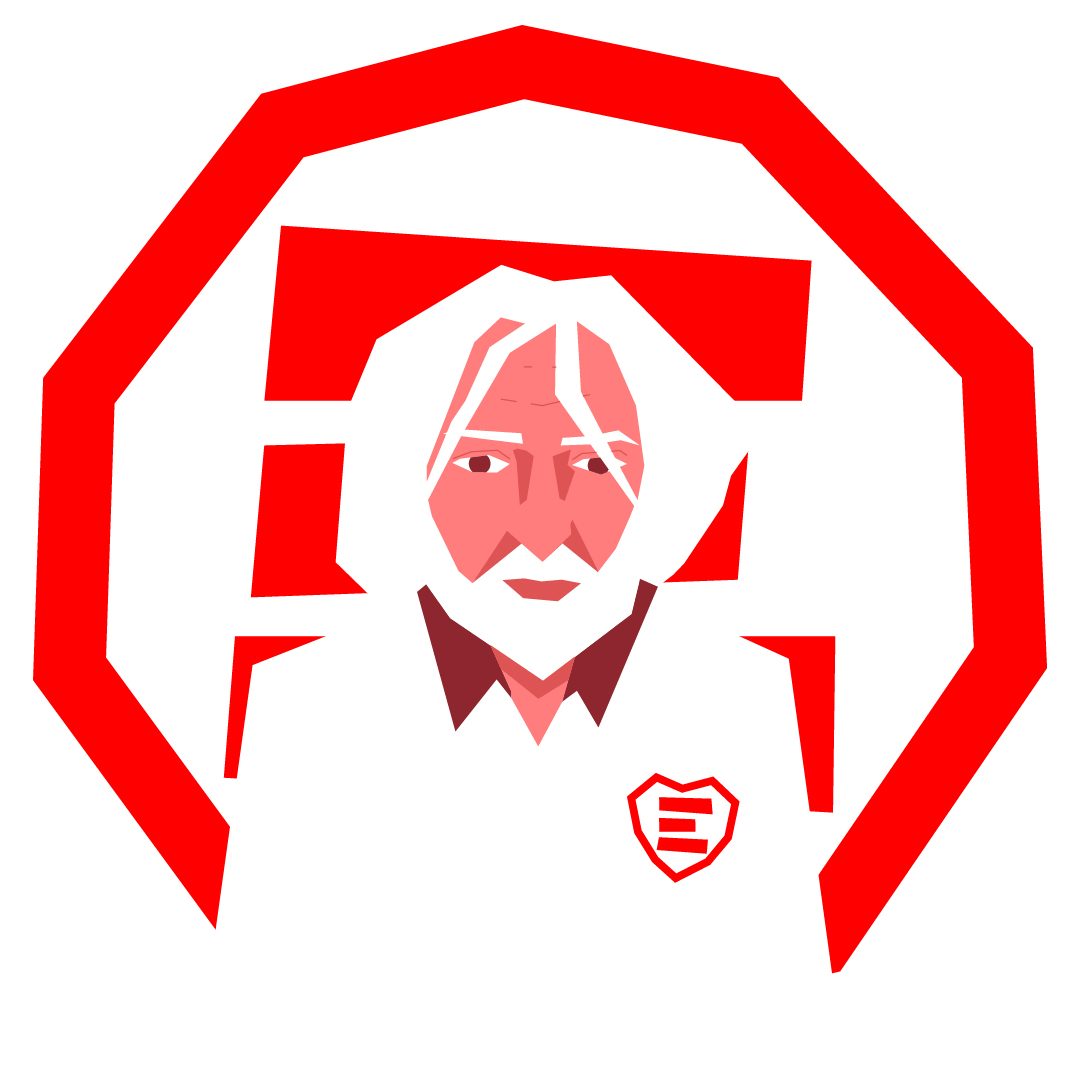
Mussie Zerai Yosief was born in Asmara, Eritrea, in 1975. He arrived in Italy seeking political asylum in 1991, at just 16 years old, and experienced firsthand the difficulties an immigrant faces in Italy trying to integrate (exploitation of illegal labor, racist discrimination, disrespect for human dignity, and cumbersome and ineffective bureaucracy). He didn't forget his people, however; in fact, as early as 2003, his cell phone was ringing nonstop, bringing him calls for help, comfort, and information from desperate people adrift in the Mediterranean, on their way to the European dream, fleeing poverty, conflict, and famine. Mussie always answered the phone, helping everyone without distinction, providing information on the next steps and forwarding the coordinates of drifting vessels to the coast guard so they could rescue them. Without leaving Italy and without a life jacket, this man was able to save thousands of people from certain death, and continues to do so today. In 2006, he founded the NGO Habeshia for Development Cooperation to help asylum seekers, migrants, and refugees integrate into the country through social, cultural, and educational initiatives, as well as providing legal assistance and specialized training to these individuals. Don Zerai's efforts earned him a nomination for the Nobel Peace Prize in 2015, the Golden Dove for International Peace in 2016, the 2017 WORLD BLACK Fraternity Award for Habeshia's migrant rescue operations in the Mediterranean, and in 2023, a place in the Garden of the Righteous Worldwide in Milan was dedicated to him. Yet he continues to fight for a humanity that transcends borders, frontiers, seas and deserts; a fight he also carries out before the European Union (see his appeal to the European Commission regarding the migrant issue). Indeed, it is also thanks to him and the prisoners' phone calls that we know of the existence and location of the many concentration camps present today in Libya and beyond: Tripoli, Kums, Kuffra, Zawiya, Zelatien, Misurata, Sebha; camps where neither the UN nor the Red Cross can enter or provide assistance and where human rights do not exist.
The story of Don Mussie Zerai is a true inspiration for us all. Despite being physically far from the sites of torture or shipwrecks, Don Mussie's actions demonstrate that distance should never be an obstacle to helping others. With a simple telephone, he managed to save countless lives and provide hope to hundreds of thousands of people trapped in the cycle of human trafficking. It's incredible to think that just a few numbers scribbled on a piece of paper can have such a profound impact on the world, but Don Mussie's story is a testament to the power of compassion and empathy. However, it's important to recognize that not everyone is as committed to helping others as he is. Governments and institutions that place economic and political interests above the lives, dignity, and rights of human beings must be held accountable and guided, through dialogue and discussion, towards a better future for all.